7800 SW 87 AVE SUITE B-270 MIAMI, FLORIDA 33173

What is Dry Eye Syndrome?

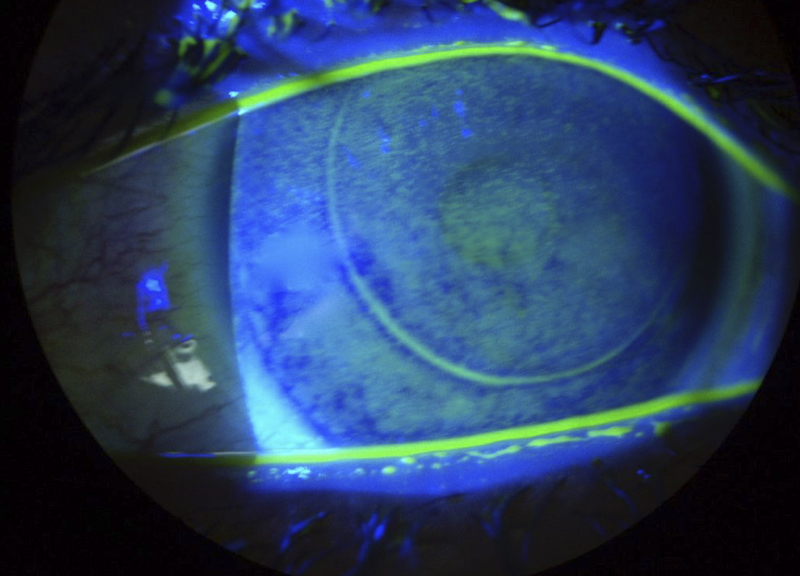
Dry eye syndrome, also called dry eye disease, occurs when the tear film does not adequately protect and lubricate the surface of the eye. The problem may involve too little tear production, tears that evaporate too quickly, or tears that do not function normally. Dry eye can cause irritation and fluctuating vision; it is not simply a matter of having too few tears.

Symptoms and severity vary. An examination helps identify the causes and distinguish dry eye from other conditions that may produce similar symptoms.

For a focused overview of how the fluid reservoir works, who may be evaluated, fitting considerations, and limitations, read our patient guide to scleral lenses for dry eye.

Causes of Dry Eye Syndrome

Dry eye can involve too little tear production, tears that evaporate too quickly, or an unstable tear film. Meibomian gland dysfunction, certain medicines, autoimmune conditions, prior eye surgery, and environmental factors can contribute. An examination helps identify the relevant causes.

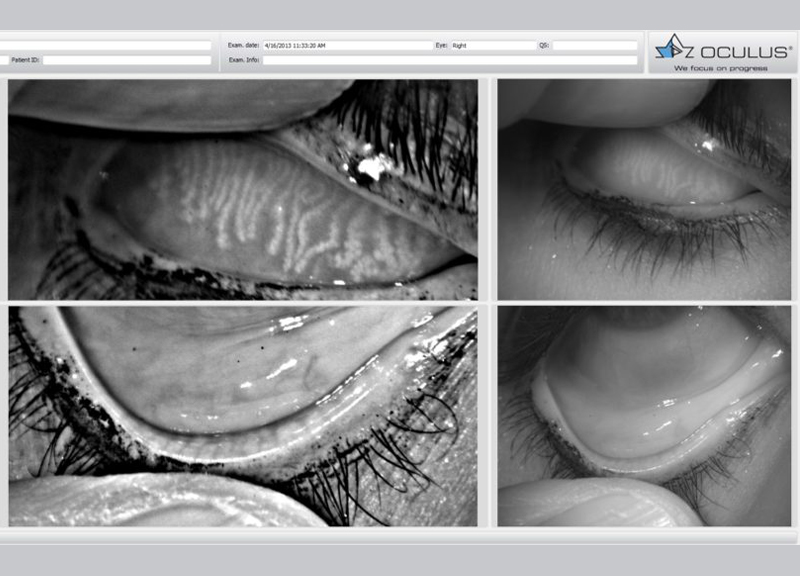
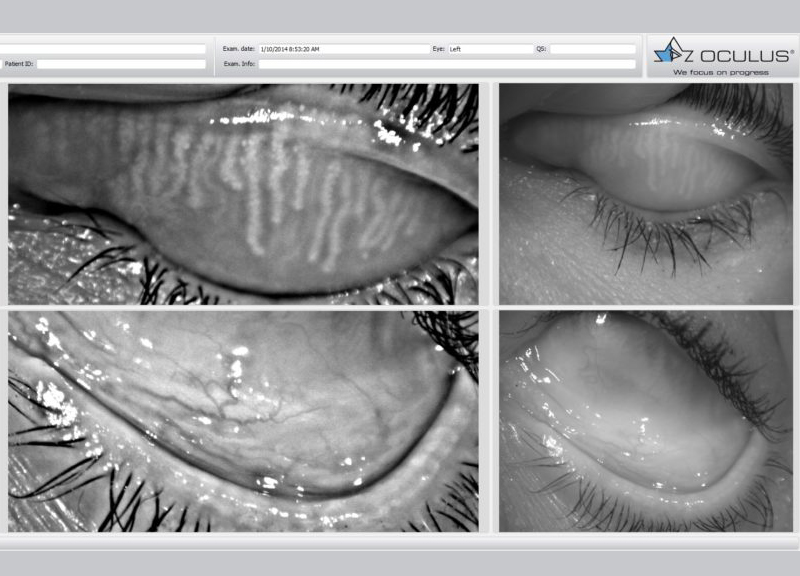
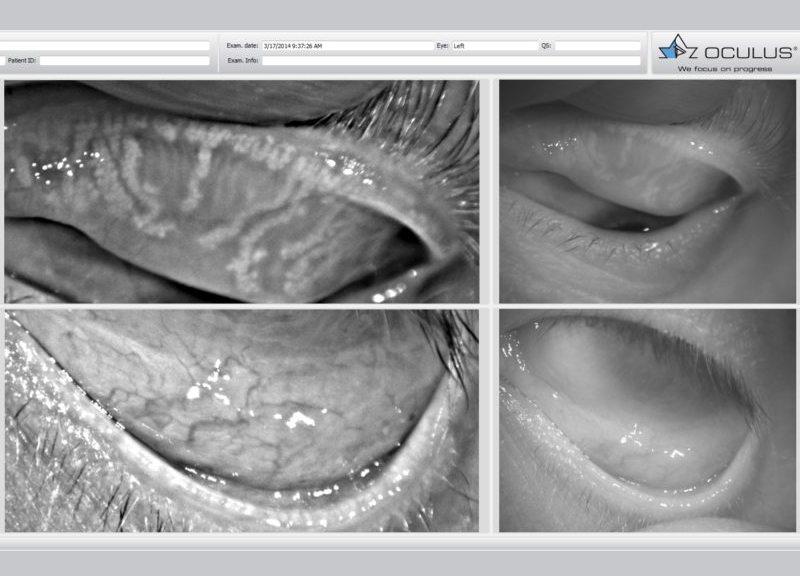
The meibomian glands in the eyelids supply oils to the tear film. When their secretions are altered or their openings become blocked, tears can evaporate more quickly. This is called meibomian gland dysfunction, or MGD, and it can coexist with reduced tear production.

Long periods of screen use may reduce blinking, while wind, smoke, and dry air can worsen symptoms. Some allergy, blood-pressure, and antidepressant medicines may also contribute. Do not stop or change a prescribed medicine on your own; discuss possible effects with the prescribing clinician.

Symptoms of Dry Eye Syndrome

Common symptoms include burning, grittiness or a scratchy feeling, redness, light sensitivity, and vision that blurs or fluctuates. Reading and screen work may become uncomfortable. These symptoms can have more than one cause, so they do not establish a diagnosis of dry eye.

Sudden vision loss, severe pain, or a new painful red eye needs urgent assessment rather than waiting for a routine consultation. If irritation, unusual redness, pain, discharge, or blurred vision develops while wearing contact lenses, remove the lenses and contact an eye-care professional promptly. Do not resume wear until advised.

Dry Eye Syndrome Treatments

Dry eye treatment depends on whether the main problem is aqueous deficiency, excessive evaporation, eyelid or meibomian gland disease, inflammation, medication effects, nerve dysfunction, exposure, or another ocular surface condition. Management may include environmental changes, preservative-free lubricants, eyelid care, prescription treatment, procedures, or coordinated medical care.

Scleral lenses may be considered when symptoms or ocular surface exposure remain significant despite appropriate care, or when irregular corneal optics also limit vision. The lens is filled with sterile, preservative-free saline and vaults the cornea, creating a fluid reservoir during wear. It does not correct every cause of dry eye and does not replace treatment of underlying inflammation or eyelid and tear-film disease.

Our scleral lenses for dry eye guide explains candidacy, fitting, fogging, hygiene, limitations, and warning symptoms.

Dr. Boshnick and Scleral Lenses for Dry Eye Syndrome

Dr. Boshnick evaluates the ocular surface, eyelids, tear film, corneal shape, vision, prior treatment, and contact lens history before deciding whether a diagnostic scleral lens trial is reasonable. The fitting must provide appropriate corneal and limbal clearance, stable landing, useful optics, and acceptable comfort without creating avoidable eye-health risk.

Outcomes vary. Some patients experience meaningful improvement in comfort or functional vision, while others need design changes, different wear schedules, treatment of lens fogging or wettability, or another management approach. Follow-up is necessary to assess the eye after the lens has settled and after real-world wear.

Patients with autoimmune or severe ocular surface disease may also find these resources useful:

Medical sources

This page is educational and does not replace diagnosis or individualized medical care.

Your Vision, Our Priority:
Schedule Your Consultation Now

Frequently Asked Questions

Dry eye syndrome means the tear film is not adequately protecting and lubricating the eye. It may involve reduced tear production, excessive evaporation, or tears that do not function normally. Symptoms can include burning, grittiness, redness, light sensitivity, and fluctuating vision.

Possible contributors include meibomian gland dysfunction, reduced tear production, certain medicines, autoimmune disease, prior eye surgery, and environmental exposure. More than one factor may be present. An examination and a review of your symptoms and medical history help guide care.

For selected patients, a scleral lens filled with sterile, preservative-free saline can maintain a fluid reservoir over the cornea during wear. It may help protect the surface and improve comfort or vision, but it does not cure dry eye or replace care for its underlying causes. Individual assessment and follow-up are necessary.

Scleral lenses may be considered for selected patients whose significant dry eye or ocular surface problems persist despite other care, or whose corneal irregularity also affects vision. Suitability depends on the examination, eye health, and ability to apply, remove, and care for the lenses. Severe symptoms alone do not establish candidacy.

A specialty examination is needed to evaluate the tear film, ocular surface health, corneal shape, symptoms, and prior treatments. Dr. Boshnick can then determine whether a fluid-filled scleral lens is appropriate or whether another form of care should be considered.

Some patients find a properly fitted scleral lens comfortable, but comfort is not guaranteed. Fit, surface disease, deposits, and handling can affect tolerance. Pain or unusual redness is not something to push through: remove the lens and contact an eye-care professional for guidance before resuming wear.

They may improve vision when tear-film instability or an irregular corneal surface contributes to blur. The result depends on the cause of the vision problem and the eye’s overall health. A diagnostic lens evaluation helps assess potential benefit; better vision is not guaranteed.

Adaptation varies, and there is no single timeline that applies to everyone. Learning application and removal, refining the fit, and treating the ocular surface may require follow-up. Call the office or request a consultation for questions about your fitting arrangements or expected visits.

Schedule Your Consultation with
Dr. Boshnick

    Schedule Your Consultation with
    Dr. Boshnick