7800 SW 87 AVE SUITE B-270 MIAMI, FLORIDA 33173

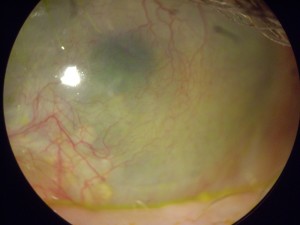
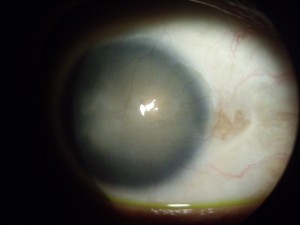
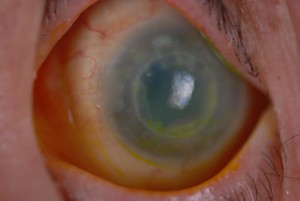
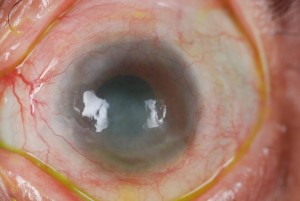
Corneal disease is a broad term for conditions that affect the clear front surface of the eye. Depending on the cause and the corneal layer involved, symptoms may include blur, distorted or fluctuating vision, glare, light sensitivity, redness, pain, dryness, or reduced contact lens tolerance.
Examples include keratoconus and other forms of corneal ectasia, corneal scarring, dystrophies and degenerations, severe ocular surface disease, and changes after refractive surgery or corneal transplantation. Because these conditions do not share one treatment, an examination must identify the diagnosis, eye-health status, and source of the visual limitation.
Dr. Edward Boshnick evaluates patients whose vision or ocular comfort remains limited by an irregular cornea, ocular surface disease, or prior eye surgery. The goal is to understand what is medically active, what requires monitoring or referral, and what part of the patient’s vision may be rehabilitated with specialty optics.
A specialty contact lens does not cure the underlying corneal disease. It may provide useful vision or protect the ocular surface for selected patients while medical or surgical care continues with the appropriate eye-care professionals.
Scleral lenses are large-diameter, oxygen-permeable rigid lenses that land on the sclera and vault over the cornea. Before insertion, the space beneath the lens is filled with sterile, preservative-free saline. This design creates a regular front optical surface and avoids direct lens bearing on the central cornea.
Depending on the diagnosis, scleral lenses may be evaluated for visual rehabilitation, ocular surface support, or both. They require individualized fitting, handling and hygiene training, and continuing assessment of corneal clearance, lens landing, oxygen needs, and eye health.
Glasses and standard soft contact lenses may not fully correct vision when the corneal surface is irregular. A diagnostic specialty-lens trial can help determine whether a rigid optical surface improves functional vision and whether the eye can safely support lens wear. For patients who have had corneal ring implants, our guide to scleral lenses after INTACS explains remaining visual distortion, healing checks, and clearance over the implants.
Explore the guide that best matches the diagnosed condition:
Corneal care is individualized. Some patients need medical treatment, monitoring for progression, surgery, specialty lenses, or coordinated care involving more than one clinician. A lens evaluation is appropriate only after the eye’s diagnosis and health needs are understood.
Seek prompt eye care for sudden vision loss, increasing pain, pronounced redness, discharge, marked light sensitivity, or a new white or cloudy area on the cornea. These symptoms should not wait for a routine contact lens visit.
This page is educational and does not provide a diagnosis or individualized treatment recommendation.
Scleral lenses may improve vision when an irregular corneal surface limits glasses or standard contact lenses. They vault over the cornea and hold a fluid reservoir that may support comfort and protect the ocular surface in selected patients. They do not cure every corneal disease or guarantee healing. Active infection, inflammation, or a surface wound requires medical assessment before lens wear is considered.
Yes. Glasses or conventional contact lenses may provide useful vision in some cases. When irregular corneal shape or ocular surface problems limit those options, an examination and diagnostic lens trial can help determine whether a scleral lens offers a meaningful benefit. The appropriate correction depends on the diagnosis, vision, comfort, and eye health.
Yes, corneal diseases can affect one or both eyes. The extent and severity of the disease can vary between eyes, and the impact on vision can also differ.
7800 Sw 87 Ave Suite B-270
Miami, Florida 33173
7800 Sw 87 Ave Suite B-270
Miami, Florida 33173

Global Vision Rehabilitation Center